


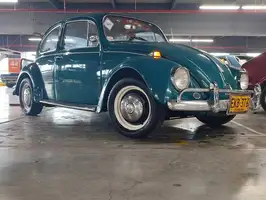
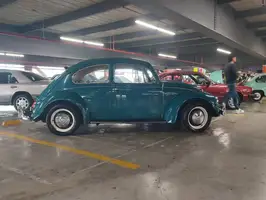

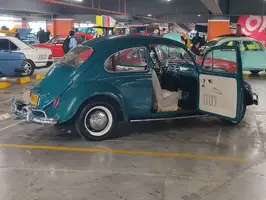



Performance Specifications

MPG
None city / None hwy

Drivetrain
RWD

Fuel Type
GAS

Exterior Color
BLUE

Interior
UNKNOWN

Seating
None

Engine
UNKNOWN

Transmission
MANUAL
Value Compass™
Vehicle History



Overview
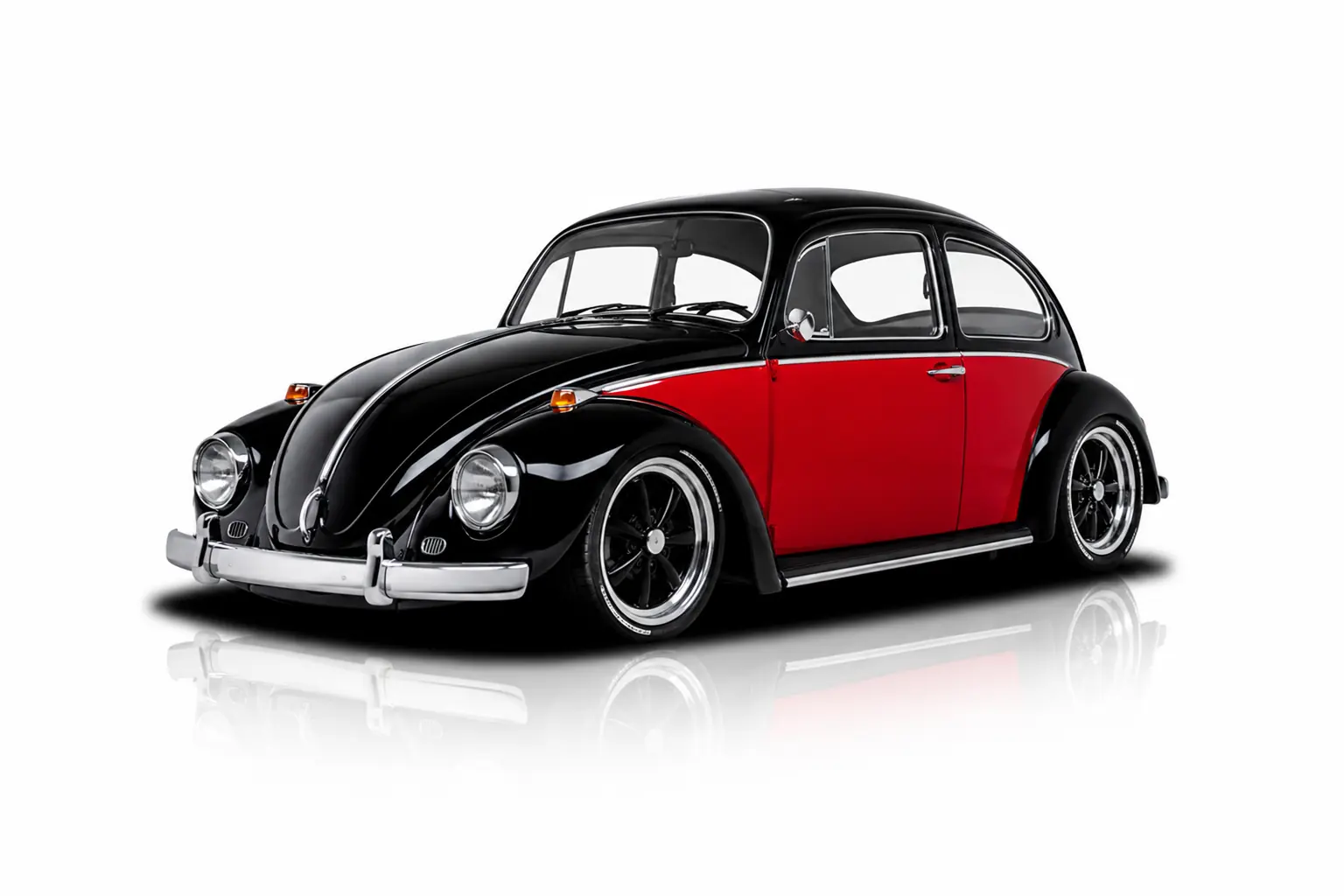
volkswagen escarabajo 1967 review from a mechanic who’s rebuilt too many of them
You don’t buy a 1967 Volkswagen Escarabajo because it’s good by modern standards. You buy it because it’s simple enough to control, cheap enough to fix, and honest about what it can’t do. The problem is people forget that last part and try to daily one like it’s a 2015 Corolla. That’s where things fall apart.
The 1967 model sits in a weird sweet spot. It still has the early car feel—swing axle rear, small body, minimal electronics—but it also got 12-volt electrics in the U.S. market and a one-year-only mix of parts. That “one-year-only” detail sounds cool until you’re hunting for correct parts and paying more than you expected.
what the 1967 bug actually is
Factory setup is a 1500cc single-port engine pushing around 53 horsepower. Carbureted. Air-cooled. No radiator, no coolant, no safety net. The car weighs roughly 1,700–1,800 lbs depending on trim. That’s why it feels quick around town even though the numbers are low.
Top speed is about 80 mph on paper. Real world, a tired engine does 65 comfortably and starts complaining after that. You feel it. The front end gets light. Steering isn’t vague—it’s just old.
Brakes are four-wheel drums unless someone converted them. They work if adjusted right. Most aren’t.
the strengths nobody argues with
The engine is simple enough that you can tear it down on a bench with basic tools. No computers. No sensors. You can diagnose most problems by ear. That’s not nostalgia—it’s practical.
Parts availability is still strong. Companies like EMPI and CB Performance keep the aftermarket alive. Prices vary, but a full long block engine can run $2,500–$5,000 depending on build quality. That’s cheaper than rebuilding most modern engines.
Fuel economy sits around 25–30 mpg if it’s tuned right. That’s with a 1960s carburetor.
The car is light. That matters. Less stress on brakes, tires, suspension. You don’t need massive upgrades to make it usable.
the weaknesses people gloss over
It’s slow. Not “kinda slow.” Actually slow. A stock 0–60 time is around 18–20 seconds. Merging onto a modern highway requires planning, not confidence.
The swing axle rear suspension can bite you. Push it too hard in a corner and you’ll get tuck-under. That’s how people roll these cars. It’s not theoretical—it’s a known behavior.
Heating system is a joke. It routes air over the exhaust and into the cabin. If your heat exchangers are rusted, you’re breathing fumes. A lot of cars on the road right now have this issue.
Electrical systems age badly. Wiring insulation cracks after decades. Grounds get weak. You’ll chase intermittent issues unless the harness has been replaced.
Rust is the real killer. Floor pans, heater channels, lower firewall. Once that’s gone, you’re not “fixing” it—you’re rebuilding structure.
what it takes to make one compete with a modern car
You don’t leave it stock. That’s the first rule.
A basic upgrade path starts with a 1776cc engine build. That’s a bored-out version of the original case. Costs around $3,000–$6,000 depending on parts. You’re now in the 75–90 horsepower range. Still not fast, but now it keeps up with traffic.
Step up again and you’re looking at a 1915cc or 2110cc build. Now you’re pushing 100–140 horsepower. That changes the car completely. It also shortens engine life if built poorly.
Disc brake conversion is not optional if you plan to drive it daily. A front disc kit runs about $400–$800. Full four-wheel setups cost more. This is basic survival, not performance tuning.
Suspension needs attention. Lowering the front beam with adjusters, adding a rear camber compensator, or converting to IRS (independent rear suspension) fixes the worst handling traits. IRS swaps aren’t cheap or simple, but they work.
Then there’s the transmission. Stock gearing is short. Fine for city driving, annoying on highways. A “freeway flyer” transmission drops RPM at speed but costs around $1,200–$2,000.
You end up rebuilding the entire car piece by piece. There’s no shortcut.
one real example
A customer brought in a ’67 that had been sitting in a garage in San Diego since the late 90s. Looked clean. It wasn’t.
Engine had 60 psi compression on one cylinder. Floor pans were patched with sheet metal and roofing screws. Brake lines were original. He wanted a “reliable daily.”
Final bill was just under $11,000:
- 1776cc engine build
- new wiring harness
- front disc brakes
- rebuilt carb and distributor
- suspension refresh
- rust repair on pans
After that, it could do 70 mph without drama. Before that, it barely made it across town.
pros and cons that actually matter
pros
- simple mechanical design, easy to work on
- strong aftermarket parts supply
- low weight keeps running costs down
- cheap entry price compared to other classics
cons
- dangerously slow in stock form
- poor crash safety, no modern protection
- handling quirks from swing axle design
- constant maintenance, not occasional
- rust issues that turn into structural repairs
where it stands against a modern car
It doesn’t replace a modern car unless you rebuild it to that level. Even then, it’s a compromise.
You can get close on reliability with a full mechanical refresh. You can match basic traffic speed with a larger engine. You can improve braking and handling to something predictable.
You won’t get modern safety. No airbags. No crumple zones worth trusting. No ABS.
You also won’t get consistency. A modern car starts every time and tolerates neglect. A 1967 Bug punishes neglect fast.
That’s the trade. Control and simplicity versus safety and predictability.
Common Questions About This Vehicle
Other Cars You Might Like
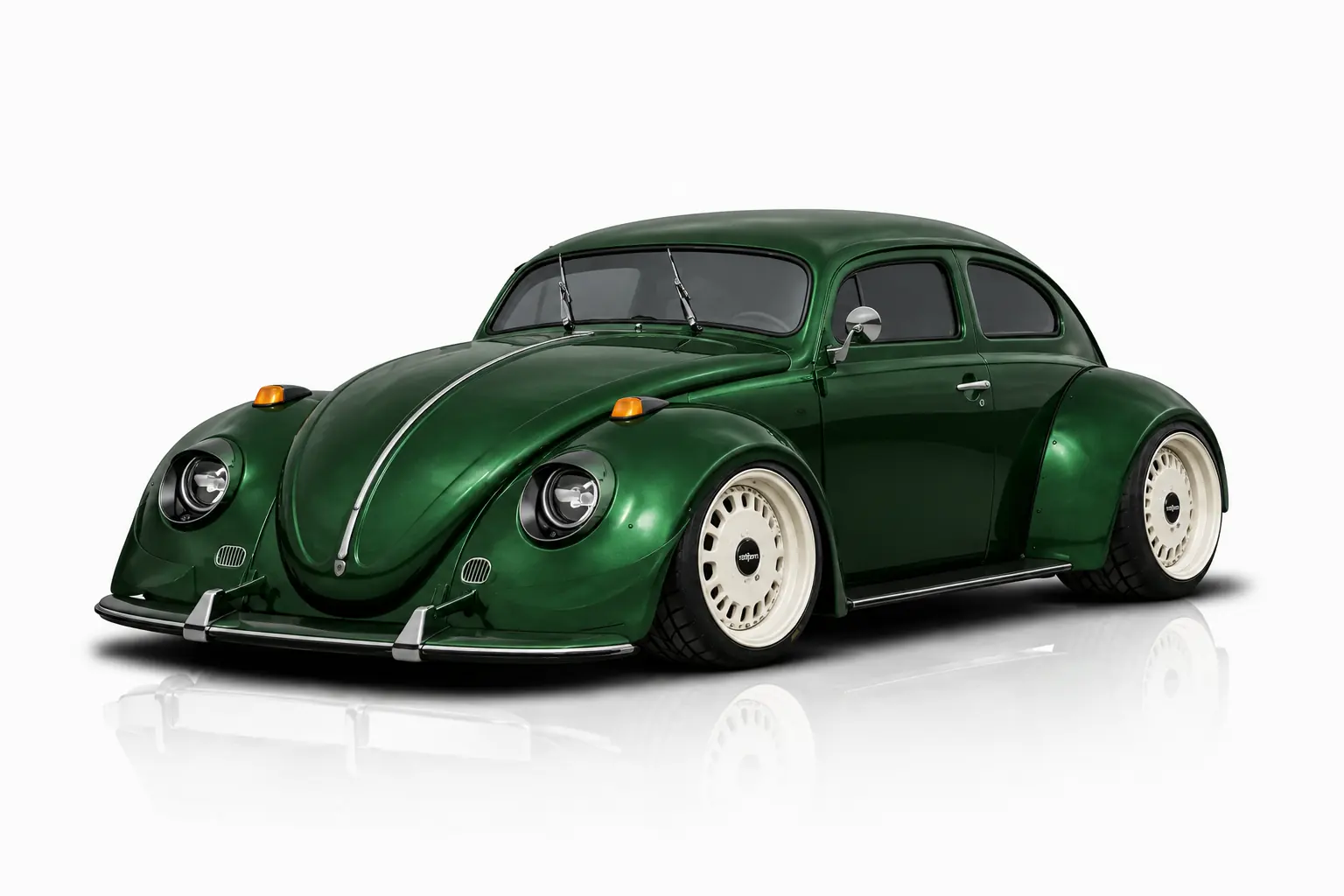
Vehicle Specifications
History and Inspection
- Desconocido accidents✓
- Desconocido open recalls found✓
- One owner✓
- Not stolen Not previously stolen✓
- View full Carfax report